Mortgage Help for Collection Accounts in Ontario
Unpaid Collection Accounts? You Still Have Mortgage Options
Collection accounts can scare a bank into saying no, even when you have real equity in your home. We approve based on that equity, not your credit score, so you can clear the collections and move forward.
Get Approved Nowor call 1-855-668-3074
An unpaid collection account is a debt your original lender has handed off to a collection agency. It sits on your credit report and signals risk to a bank, which is why collection accounts so often lead to a decline. We arrange financing for homeowners in this exact situation, approving on the equity in your home rather than your credit, with every deal capped at 80 percent of your home's value so you keep a safe cushion.
What a Collection Account Means for Your Mortgage
A collection account appears when a creditor gives up on collecting a debt directly and sells or assigns it to a collection agency. It might be an old credit card, an unpaid utility bill, a phone contract, a medical or dental bill, or a loan that fell behind. Once it lands with an agency, it shows up on your credit report as a collection, and it can stay there for years even after you pay it.
Banks treat collection accounts as a bright red flag. Their lending rules are automated and unforgiving, so even a single small collection can trigger a decline, and several can shut the door entirely. The bank rarely looks at why the collection happened, whether it was a job loss, an illness, a separation, or a bill you genuinely dispute.
That is where an alternative approach to bad credit changes the outcome. The lenders we work with weigh the equity in your home far more heavily than a line on your credit report. You can read how collections appear on your file at the Financial Consumer Agency of Canada.

How do I get a mortgage with collection accounts?
To get a mortgage with unpaid collection accounts, you work with an alternative or private lender who approves based on your home equity rather than your credit score. If you own a home with equity, the lender can arrange a home equity loan or second mortgage that pays out the collections, often at closing, so you clear the debt and stop the collection activity. Borrowing is capped at 80 percent of the home's value.
Bank vs Alternative Lender on Collection Accounts
The same collection account that ends a bank application is often just a detail to an equity-based lender. Here is how the two see your file differently.
How We Help You Clear Collection Accounts
The most common way we help is by using the equity you have already built in your home. We arrange a home equity loan or a second mortgage that gives you the funds to pay out the collections in full, often at closing, so they stop dragging on your credit and stop the collection calls.
If collections are only one piece of a larger debt picture, we can fold them into a single debt consolidation so you clear the collections and your high-interest balances together, and walk away with one manageable payment. If a collection has escalated to a lien or judgment, or involves CRA debt registered against your home, we can address that too.
Whatever the mix, we cap every deal at 80 percent of your home's value. That limit is there to protect you, not to stretch you, and we explain every cost in writing through a full Cost of Borrowing Disclosure before you commit to anything.

Case Study · Durham Region, Ontario
Collections and Debt Consolidation
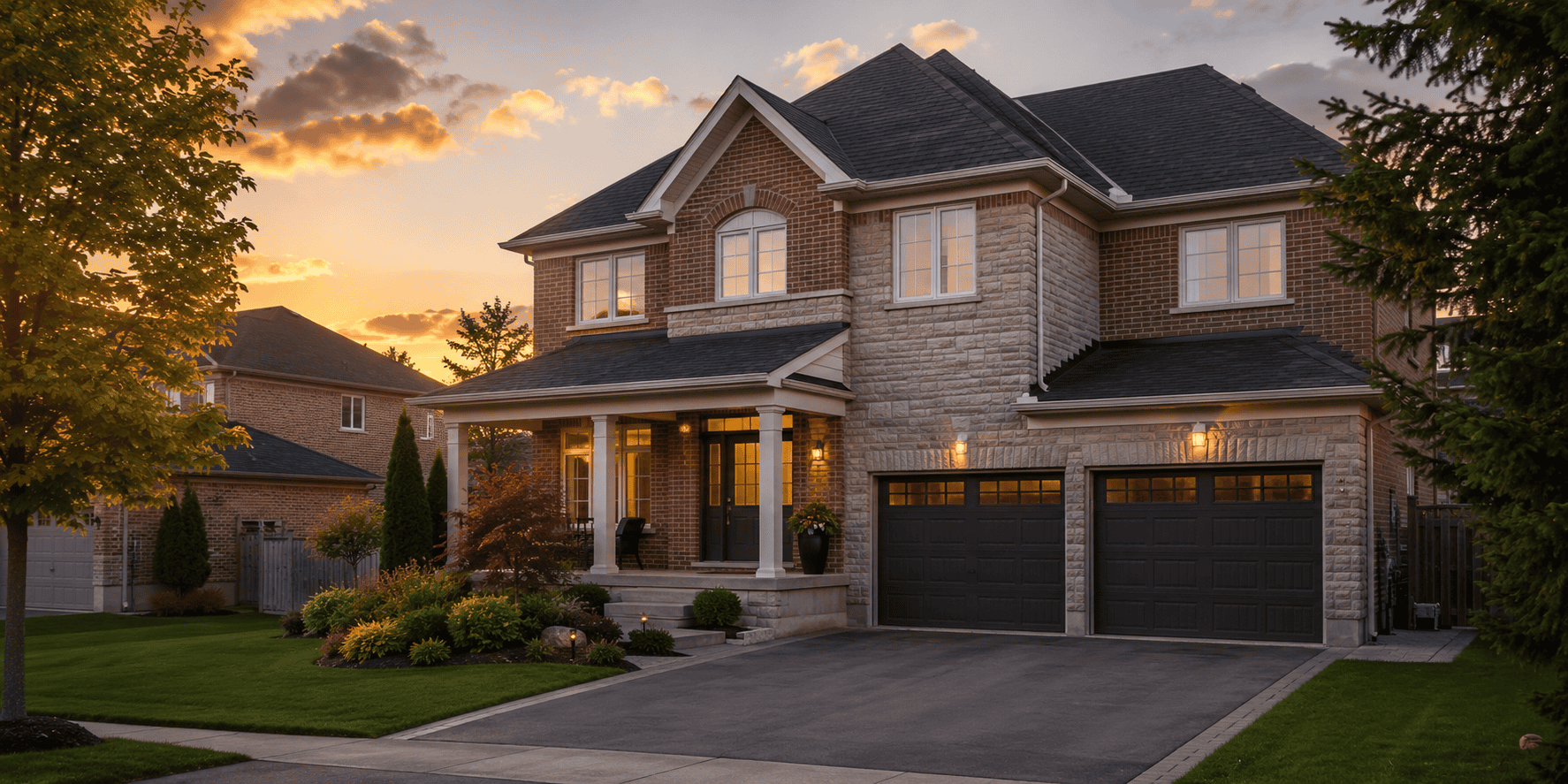
After being laid off during a company restructuring, a Durham Region homeowner fell behind on several obligations while searching for new employment. Over the following year, credit card balances grew, a line of credit reached its limit, and multiple accounts were sent to collections.
The collections and unsecured debt included:
- Credit cards: approximately 42,000 dollars
- Unsecured line of credit: approximately 28,000 dollars
- Utility and miscellaneous collection accounts: approximately 11,000 dollars
Total unsecured debt was approximately 81,000 dollars. The property was appraised at approximately 875,000 dollars, with an existing first mortgage balance of approximately 515,000 dollars.
After reviewing the homeowner's equity position, we arranged a second mortgage of approximately 110,000 dollars. The funds paid off the collection accounts, eliminated the high-interest credit card balances, paid out the unsecured line of credit, and covered fees and closing costs. Total borrowing after funding was approximately 625,000 dollars against the 875,000 dollar value, a loan-to-value ratio of about 71 percent, comfortably inside our 80 percent cap.
All collection accounts were resolved, the collection calls stopped, and multiple monthly payments were consolidated into a more manageable structure. With the immediate pressure removed, the homeowner could focus on rebuilding credit, stabilizing their finances, and working toward a return to conventional financing in the future. This reflects a real situation we handled; every file is different.
How It Works
Tell us your situation
Share your home value, your mortgage, and roughly what the collections add up to. One short form or a quick call.
We find the right lender
We place your file with a lender who approves on equity, and structure the financing to pay out your collections.
Collections cleared, you move on
The collections are paid, the calls stop, and you have clear written terms and a path to rebuild from.
See What Your Equity Could Clear
Use our quick calculator to estimate how much you could access against your home, with no obligation.
Calculate NowWhat Our Clients Say
Real homeowners we helped clear collections when the bank would not.
“We were getting collection calls every day after I was off work for several months due to a medical issue. TurnedAway helped us use the equity in our home to pay off the collections and finally get some peace of mind. The constant stress was gone almost overnight.”
Karen M., Oshawa
“After being laid off, our credit cards and line of credit quickly became unmanageable. TurnedAway helped us consolidate everything into one solution, stop the collection activity, and get back on our feet while I got back to work.”
Michael T., Peterborough
“Following a separation, I was left carrying debt that I simply couldn't keep up with on a single income. TurnedAway helped me pay off the collection accounts, simplify my finances, and keep moving forward without the pressure of creditors calling every day.”
Sandra R., Whitby
Frequently Asked Questions
Can I get a mortgage with unpaid collection accounts in Canada?
Often yes. Banks usually decline over collections, but alternative and private lenders weigh your home equity far more heavily than your credit report. If you own a home with equity, an unpaid collection account is frequently not the obstacle it is at a bank.
Should I pay off my collections before applying, or use the mortgage to clear them?
You do not have to pay them off first. In many cases the new financing is structured to pay out the collections at closing, so you do not need to find the money up front. We will walk you through which approach fits your situation.
Will paying a collection remove it from my credit report?
Paying it usually updates the status to settled or paid, which is better than an open collection, but the record can remain on your report for several years. The bigger benefit of paying it out is stopping the collection activity and putting yourself in a position to rebuild.
How much can I borrow against my home to deal with collections?
Borrowing is based on your home's value, and we cap every deal at 80 percent of that value. The equity you hold within that limit determines how much you can access to clear collections and any other debt you want to fold in.
What if my collection has turned into a lien or judgment?
That can still be handled. When a debt escalates to a lien or judgment registered against your property, we can often address it as part of the same financing. If a tax debt is involved, our CRA debts and liens page covers that situation in detail.
Let's Clear Those Collections
If you own your home and have built up equity, unpaid collection accounts do not have to hold you back. Let us show you what you qualify for, honestly and with no pressure.
Get Approved Nowor call 1-855-668-3074