Property taxes are a necessary obligation for homeowners, funding vital municipal services such as schools, road maintenance, and emergency services. Falling behind on property taxes can lead to serious consequences, including the loss of your home through a tax sale. While the timeline and process vary across Canada, homeowners should act promptly to prevent financial difficulties from escalating.
This guide explores how far behind on property taxes you can get before foreclosure, the tax sale process, and actionable steps to protect your home.
The Impact of Property Tax Arrears
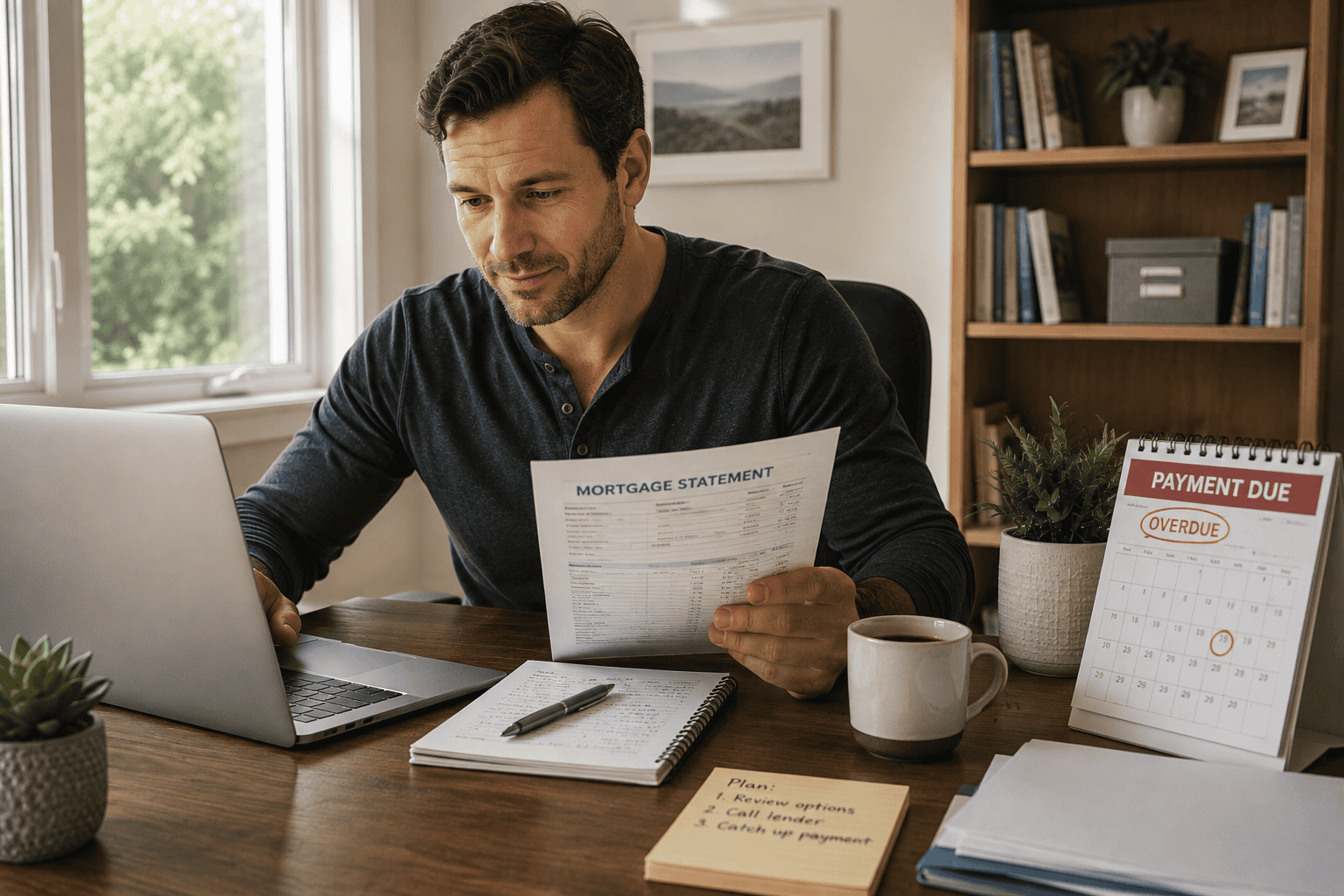
Thousands of Canadian homeowners fall behind on property taxes each year. Unpaid property taxes are among the reasons a homeowner can ultimately lose their home. Municipalities have the authority to recover unpaid taxes through a legal process that, if left unresolved, could result in the sale of your property.
In this article, we’ll cover:
- The consequences of unpaid property taxes.
- How far behind you can get before foreclosure in Canada.
- Steps to stop a tax sale caused by property tax arrears.
- Answers to frequently asked questions about property tax arrears and tax sales.
What Are Property Taxes and Why Are They Important?
Property taxes are annual levies that homeowners pay to their local municipality. These taxes fund essential services, including:
- Public education.
- Waste collection and recycling programs.
- Infrastructure maintenance, such as roads and bridges.
- Emergency services such as police, fire, and paramedics.
Failure to pay property taxes can disrupt municipal budgets, leading to legal action to recover the amounts owed.
What Happens If You Fall Behind on Property Taxes in Canada?
When you are behind on property taxes, municipalities follow a structured process to recover the debt. The timeline and procedures vary by province, but the steps generally include the following.
Notification of Late Payment
- Municipalities send reminders and notices after the first missed payment.
- Late payment penalties and interest charges begin to accrue.
Tax Arrears Certificate
- After a specified period (often two years), the municipality may register a tax arrears certificate, officially declaring the property in arrears.
- This certificate is registered on the property’s title.
Legal Proceedings
- If the arrears remain unpaid, the municipality can initiate a tax sale process to recover the outstanding debt.
How Far Behind on Property Taxes Before Foreclosure?
The timeline for a property tax sale depends on provincial regulations. Here is a breakdown of key timelines in some provinces.
Ontario
- After two years of unpaid property taxes, municipalities can register a tax arrears certificate under Ontario’s Municipal Act, 2001.
- Homeowners then have one year from the date of the certificate to pay off the debt before the property can be sold.
British Columbia
- Municipalities can begin the tax sale process after three years of unpaid taxes.
- Tax sales typically occur on the last Monday in September.
Alberta
- Tax recovery proceedings can start after one year of missed payments.
- Municipalities provide a redemption period before the property is auctioned.
Stages of the Tax Sale Process
Understanding the stages of the tax sale process can help you take action before it is too late.
Notifications and Warnings
- Homeowners receive reminders, notices, and warnings about their arrears.
Issuance of a Tax Arrears Certificate
- A legal notice is registered on the property title, notifying all parties of the arrears.
Redemption Period
- Homeowners are given time to pay off the arrears, penalties, and interest.
Property Sale
- If the debt remains unpaid, the property is sold at a public auction or tax sale.
How to Avoid a Tax Sale Due to Property Taxes
The loss of your home due to unpaid property taxes can often be avoided by taking proactive steps. Here is how.
Communicate with Your Municipality
Many municipalities offer payment plans or temporary deferrals to help homeowners in financial difficulty. Contact your local tax office as soon as possible to explore your options.
Refinance or Use Home Equity
Refinancing your mortgage or tapping into your home’s equity can help you pay off overdue property taxes. Consider:
- Home equity loans to access funds based on your property’s value.
- Second mortgages as a solution to consolidate debts and cover arrears.
Seek Government Assistance
Some provinces offer financial assistance programs for homeowners facing tax arrears. Check with your local government for eligibility requirements.
Consider Selling the Property
If repaying the arrears is not feasible, selling the property can prevent a tax sale and help you retain some equity.
Alternative Solutions for Property Tax Arrears
If traditional methods do not work, consider these alternatives:
- Property tax arrears solutions: See how TurnedAway.ca resolves property tax arrears using your home equity, even with bad credit or income challenges.
- Debt consolidation: Learn how debt consolidation can help you manage your finances and cover arrears.
- Private mortgages: Explore private mortgage solutions for faster approval and flexible terms.
- Renting out your property: Generate additional income by renting part of your home.
Common Mistakes to Avoid
- Ignoring notices: Avoiding communication with your municipality will only accelerate the process.
- Delaying action: Acting early gives you more options to resolve the issue.
- Failing to seek professional advice: A licensed mortgage broker can offer solutions tailored to your situation.
Frequently Asked Questions
How long can I go without paying property taxes in Canada?
The timeline varies by province but typically ranges from one to three years before tax sale proceedings can begin.
What happens if my home is sold in a tax sale?
If the sale price exceeds the debt, you are generally entitled to the surplus funds. If it is less than the debt, whether you remain responsible for the shortfall depends on your province and the type of debt involved, so it is important to get advice specific to your situation.
Can I stop a tax sale once it starts?
Yes. You can stop a tax sale by paying the arrears, penalties, and interest during the redemption period.
Are there programs to help with property tax arrears?
Some municipalities and provinces offer payment plans or deferral programs for eligible homeowners.
Real-Life Example
Avoiding a Tax Sale with a Home Equity Loan
A homeowner in Ontario fell behind on property taxes due to unexpected medical expenses. After receiving a tax arrears certificate, they worked with a mortgage broker to secure a home equity loan, allowing them to pay off the arrears and keep their home.
Conclusion
Falling behind on property taxes can have severe consequences, but the loss of your home is preventable if you act early. By understanding the timelines, communicating with your municipality, and exploring financial solutions, you can protect your home and regain financial stability.
Explore how TurnedAway.ca can help you manage property tax arrears and protect your home today.