Property Tax Loan Options — What Do I Have?
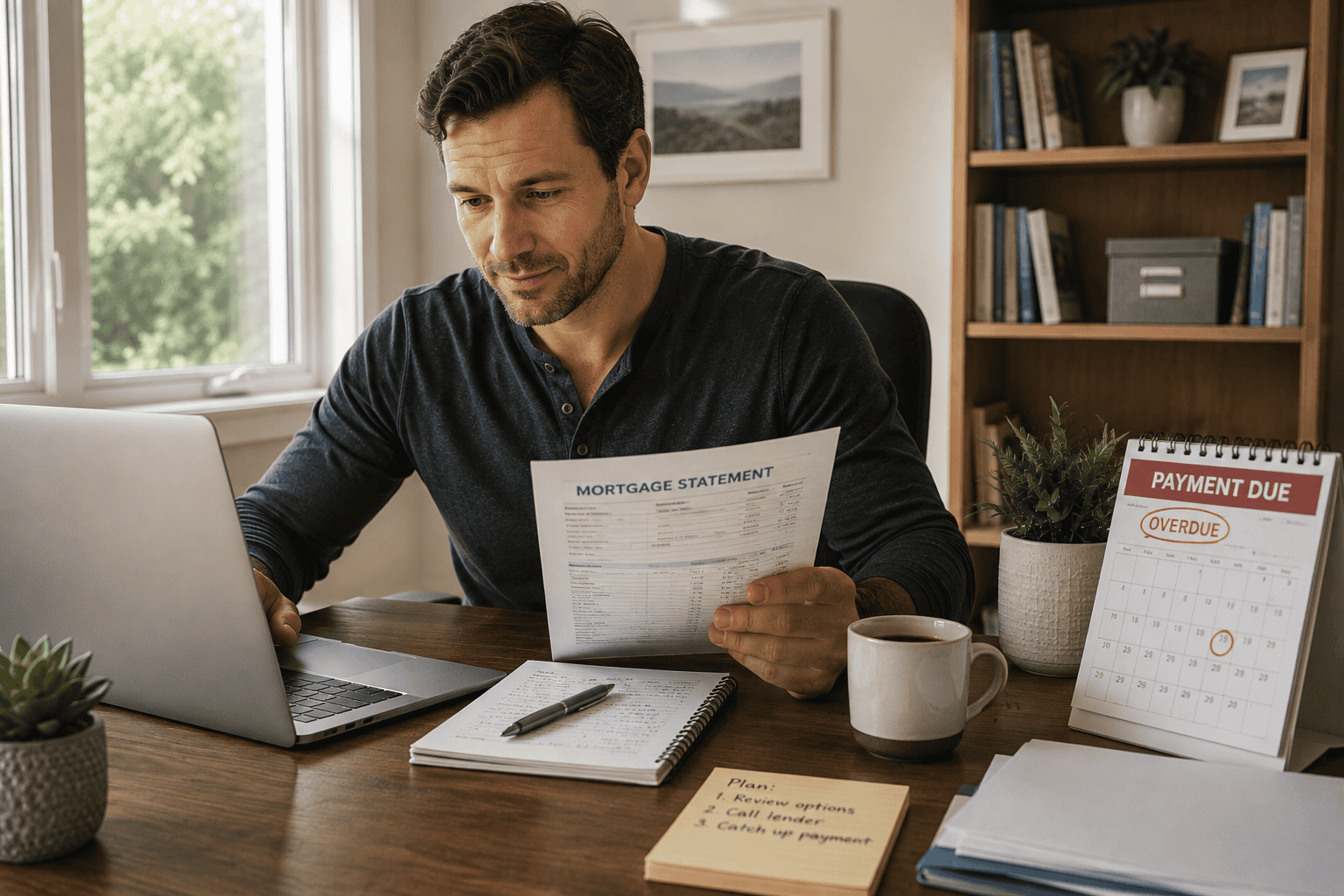
If you have fallen behind on your taxes, understanding your property tax loan options early is the best way to protect your home. Owning a home comes with costs that are easy to overlook, and one of the most common is property tax.
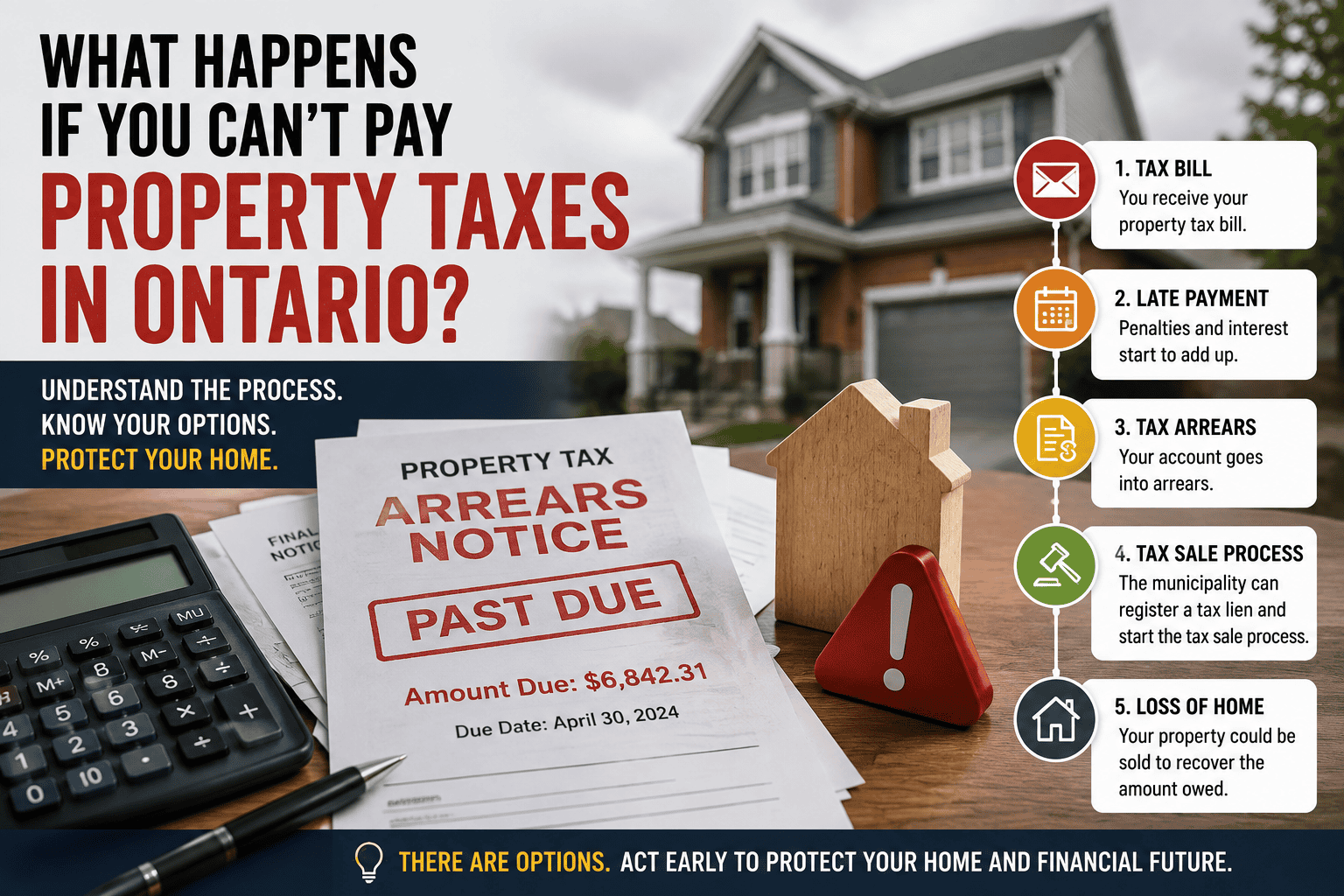
Making sure you are paying property tax is vital, because you can lose your home if you fall too far behind. In fact, even if you have paid off your mortgage, it is still possible to have your home taken from you through a municipal tax sale if you are behind on property tax.
Many financial institutions collect tax along with your mortgage payment, which eliminates the chance of property tax arrears, but some lenders don’t. Many lenders don’t set up a tax account for homeowners, as this is usually an expense to the lender. For this reason, it is prudent for homeowners to set up automatic withdrawals with their municipality to avoid outstanding taxes.
So what can you do if you fall behind? Here is what you need to know about settling up with the municipality, so you don’t lose your house in a tax sale.
Check Into Tax Abatements and Deferrals
One of the first things you can do if you are behind on property tax is check whether you are eligible for any property tax abatements or deferrals. These can be available at the federal, provincial, or local levels. However, they are not always easy to qualify for.
You might find you are not eligible for an abatement or a deferral, which would otherwise give you more time to make your tax payments. Extension agreements are given sparingly, because the local government relies on this revenue to operate — the tax property owners pay keeps municipal services like road maintenance, garbage removal, and snow plowing running.
If you can’t find this type of solution, it becomes important to come up with a way to pay your taxes before the end of the redemption period. Once you reach the end of the redemption period, your home could be sold to cover your property taxes.
While you can apply for unsecured loans or use a credit card to pay your taxes, it can be difficult to get approved for unsecured debt, especially if you have less-than-perfect credit. When that happens, you need a more practical solution.
What Happens if I Can’t Pay My Property Taxes?
You could lose your house in a municipal tax sale. If you have significant outstanding taxes, your local government applies penalties and interest to the amount owing. It can then register a tax lien, also referred to as a tax arrears certificate, which prevents the sale of your home until the unpaid taxes are caught up. At this point, if you cannot agree on a payment plan, the municipality can escalate the matter.
Your municipal government will do what it can to recover property tax arrears, even if that means selling your house. It enforces the tax arrears certificate and begins the process of a municipal tax sale.
Selling your home seems like a drastic measure, but municipalities depend on tax revenue, and when push comes to shove they will act. For this reason, it is important for homeowners to find a solution quickly. One of the most effective ways to pay your property tax arrears is by leveraging the equity you have built up in your home.
Using Your Home Equity When You’re Behind on Property Tax
When you are behind on property tax, one of your strongest property tax loan options is a home equity loan. A home equity loan is approved based on the amount of equity you have in your home, and credit and income are rarely the deciding factors. It is one of the best ways to clear tax arrears. A mortgage broker who specializes in these situations can arrange this type of financing.
TurnedAway.ca connects homeowners with a variety of lenders who focus on the equity in your home, not your credit or income. We specialize in helping Canadians with mortgage arrears and property tax arrears.
Figuring Out How Much Equity You Have in Your Home
Qualifying for a property tax loan depends on how much equity you have. To work it out, take your home’s current market value and subtract the amount you still owe on your mortgage.
For example, say your home is worth $500,000 and your mortgage balance is $300,000. The difference — $200,000 — is your equity. Lenders arrange financing up to a maximum of 80% of your home’s value, so accessing part of that equity could be more than enough to pay off your property tax bill. If you want to see how much you might qualify for, try our home equity calculator.
Comparing Your Home Equity Options
Two of the most common ways to use your equity when you are behind on property tax are:
- Home equity loan: Provides a lump sum secured against your equity. Approval is based primarily on your equity rather than your credit, which can make it more accessible for homeowners with credit challenges.
- Second mortgage: Sits behind your existing first mortgage and pays the arrears directly, letting you keep your current first mortgage rate and term intact.
Which option fits best depends on your lender and your situation. An experienced mortgage broker can walk you through your eligibility and help you choose.
Where Can I Get a Property Tax Loan?
There are few lenders who will tolerate property tax arrears, so it is important to work with a mortgage broker who specializes in them. A knowledgeable broker can help you use your home equity to arrange a property tax loan.
TurnedAway.ca specializes in this type of financing and arranges challenging mortgages regularly. If you have accumulated equity, we will work to find you a solution. Because we deal with these situations routinely, we can act quickly to stop the threat of a tax sale.
If you have property tax arrears or can’t pay your property taxes, we can help. See how our property tax arrears solutions work, call us for a free consultation at 1-855-668-3074, or apply online and we will begin working on your approval right away.
Frequently Asked Questions
What are my property tax loan options if I have bad credit?
Your main property tax loan options are a home equity loan or a second mortgage, both secured against the equity in your home. Because approval is based primarily on your equity rather than your credit score, these options are often available even when a bank has declined you.
Can I lose my home if I don’t pay my property taxes?
Yes. If property tax arrears remain unpaid, your municipality can register a tax arrears certificate and eventually sell your home through a tax sale, even if your mortgage is fully paid off. The arrears can be cleared at any point before the sale completes.
How much equity do I need to qualify for a property tax loan?
As a general guide, lenders arrange financing up to 80% of your home’s value. You need enough equity to cover the arrears and associated costs while staying within that limit. Use our home equity calculator to estimate your eligibility.
How quickly can a property tax loan be arranged?
In urgent tax sale situations, financing can often be approved within 24 to 48 hours and funded within a few business days, depending on the appraisal and legal work.